news
House Passes Stopgap Spending Bill 220-205, Senate Vote Next
The 220-205 vote sends the measure to the Senate, where bipartisan support will determine whether federal funding extends through Dec. 4.
Listen in English · 3 min
How we reported this
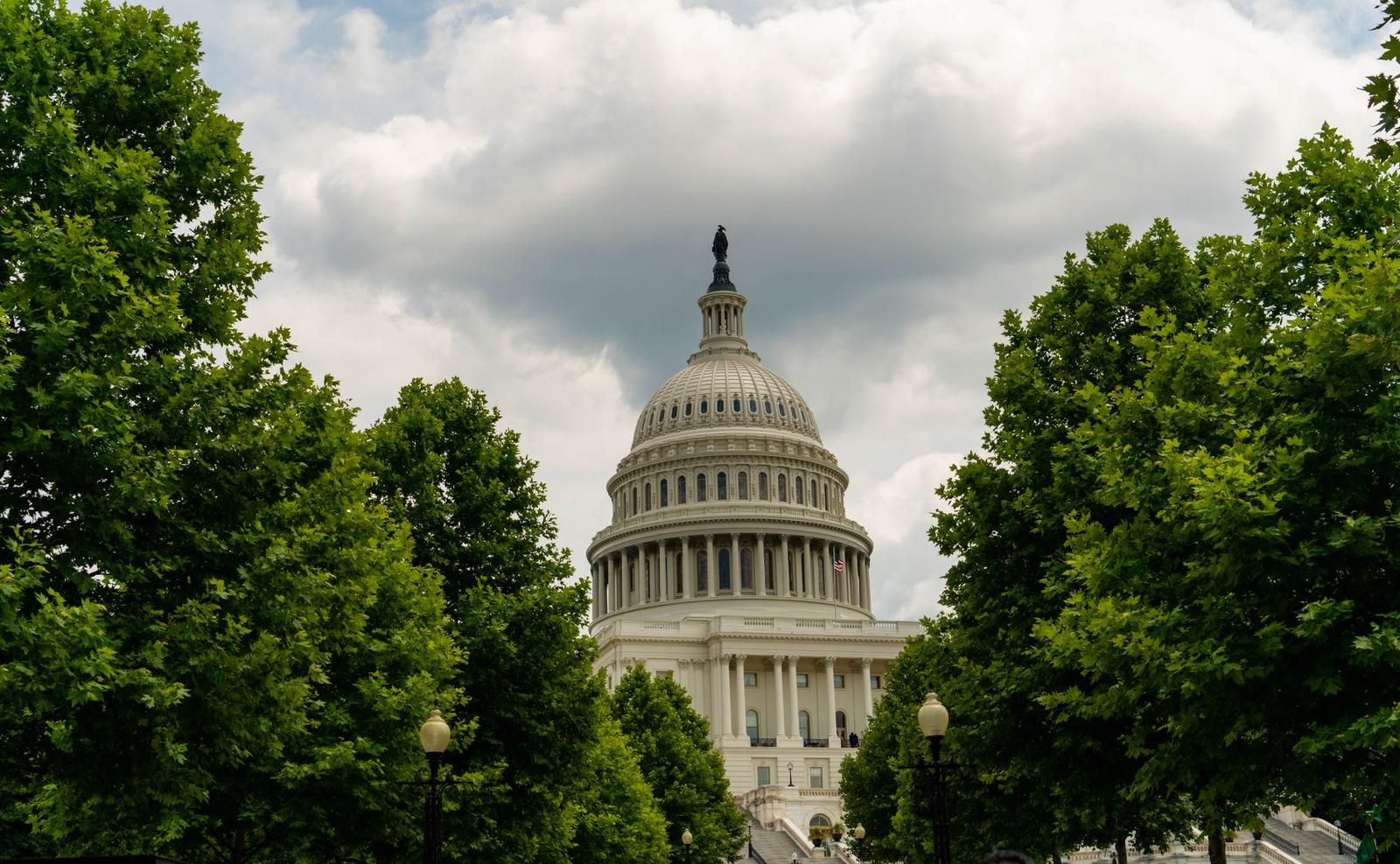
The U.S. House approved a stopgap spending bill on July 21, 2026, by a 220-205 vote, mostly along party lines. The measure would fund federal operations through Dec. 4, 2026, to avoid a government shutdown before the Sept. 30 deadline.
Why the timing matters now
House Republican leaders pushed the bill as part of an effort to defuse shutdown politics ahead of the November midterm elections. The package also paired the stopgap with a larger party-line budget framework, showing Republicans were trying to move two spending tracks at once. This approach comes as federal funding decisions directly affect operations across Alaska, where agencies manage everything from defense installations to resource management programs.
What happens next in the Senate
The bill now goes to the Senate, where it will need bipartisan support to advance. Without that support, the measure could stall and leave the Sept. 30 deadline unresolved. Lawmakers in the upper chamber must weigh whether to pass the stopgap as written or seek changes that could draw votes from both parties before the funding lapse.
Key decisions ahead for federal funding
Republican leaders have framed the dual-track strategy as a way to separate immediate funding needs from longer-term budget choices. The Senate will decide first whether the stopgap clears on its own or requires negotiation. Any delay past Sept. 30 would trigger automatic reductions in discretionary spending, affecting programs that reach into Alaska communities through grants, contracts and agency staffing. Observers note the outcome will set the stage for how the two chambers handle the larger budget framework in the weeks that follow.
Passage in the House clears one hurdle but leaves the Senate to determine the final path before the current fiscal year ends. The vote margin in the House reflected the party-line split that has characterized recent spending debates, and the same dynamic now moves to the Senate floor.
References Sourced but Not Limited to:
- alaskabeacon.com · Republicans in us house approve stopgap spending bill ahead of oct 1...
- theguardian.com · House passes spending bill
- npr.org · House stopgap funding bill government shutdown
- politico.com · House passes stopgap funding bill months before shutdown deadline...
- reuters.com · Us house tees up close vote government funding face democratic...
- politico.com · House approves stopgap funding bill days before government shutdown...
- npr.org · House spending vote
- cnn.com · Government funding bill shutdown house senate
- thehill.com · 5512199 house republicans stopgap spending bill shutdown
- news.bloomberglaw.com · House gop passes stopgap daring senate democrats on shutdown