news
Anchorage City Council’s Recent Decisions: Tracing the Steps Behind the Current Stance
An examination of local governance choices reveals the factors shaping Anchorage’s development and public policy directions today.
How we reported this
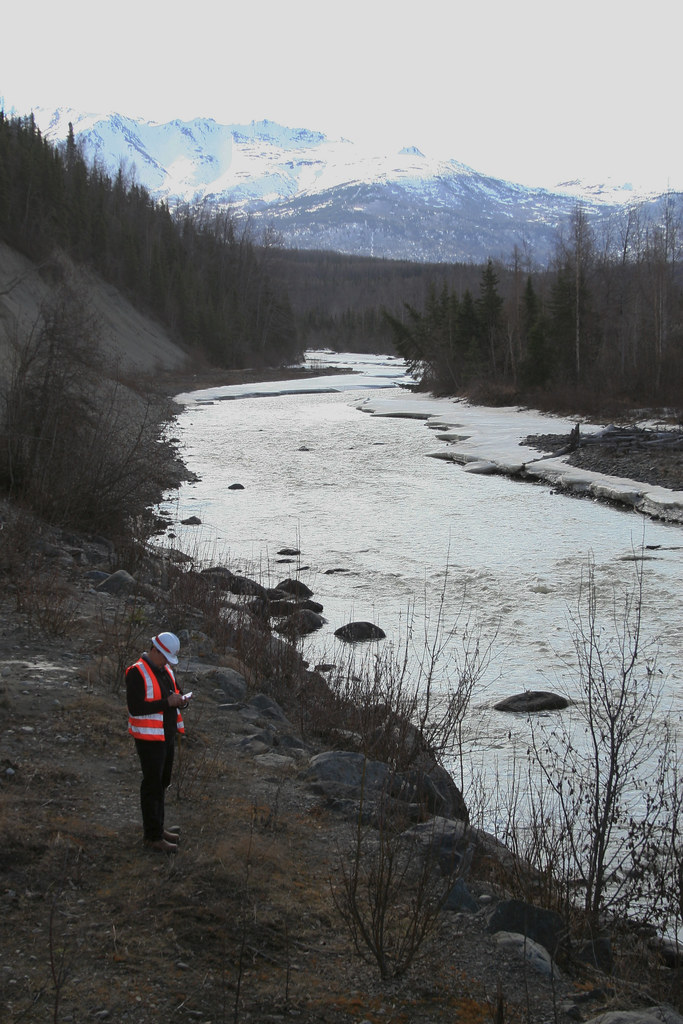
Anchorage’s city government recently made a series of decisions that reflect long-standing local concerns about urban development, fiscal management, and community services. These choices come after months of deliberation and debate among city officials, stakeholders, and residents across diverse neighborhoods.
Why these decisions matter now
The timing of these government actions is significant as Anchorage grapples with shifting economic conditions and changing demographic patterns. With Alaska’s urban centers navigating pressures from population shifts and budget constraints, the city council’s resolutions signal efforts to balance growth with community needs. The decisions affect not only immediate city operations but also shape Anchorage’s trajectory in the coming years.
While no specific data points or forecasts have been released in this period, the decisions mirror general concerns encountered in many municipal governments seeking to adapt post-pandemic recovery strategies to their unique context.
Local considerations influencing outcomes
Anchorage neighborhoods such as Midtown, Spenard, and East Anchorage have voiced varied priorities during recent public forums. Community organizations and business leaders engaged with the city to advocate for improved infrastructure, better public safety measures, and more accessible social services. The city’s planning and public works departments have played key roles in evaluating these inputs to inform their regulatory and budgetary proposals.
The city’s comprehensive plans and ongoing programs, which aim to balance economic vitality with social equity, have provided background frameworks influencing these recent decisions. Though lacking precise cost or implementation timelines in public communication, the government is moving toward pragmatic, incremental solutions in these areas.
Among the key factors aiding decision-making is Anchorage’s need to contend with limited fiscal flexibility amid external economic uncertainties. While no definitive statistics from recent hearings have been disclosed, qualitative evidence from meeting transcripts and policy discussions highlight concerns about maintaining essential public services without overburdening taxpayers.
These considerations extend to ongoing debates over land use, transportation infrastructure, and emergency preparedness-all areas cited in council meeting agendas over recent months.
Looking ahead: What Anchorage residents can expect
Going forward, Anchorage city officials will continue engaging stakeholders through community workshops and public comment periods to refine implementation of recent resolutions. Residents should watch for announcements related to specific project timelines and funding allocations as they become available.
Community members interested in the details of these decisions or in participating more actively in the process can visit the Anchorage municipal website or attend upcoming city council meetings held at the Loussac Library Assembly Room.
This ongoing dialogue promises to shape the neighborhood character and quality of life in Anchorage, reflecting the diverse voices that define the city’s evolving identity.