finance
Anchorage's Working-Age Population Drops 11 Years Straight, Straining Employers
A declining working-age population challenges Anchorage’s employers amid steady economic growth forecasts for 2026.
How we reported this
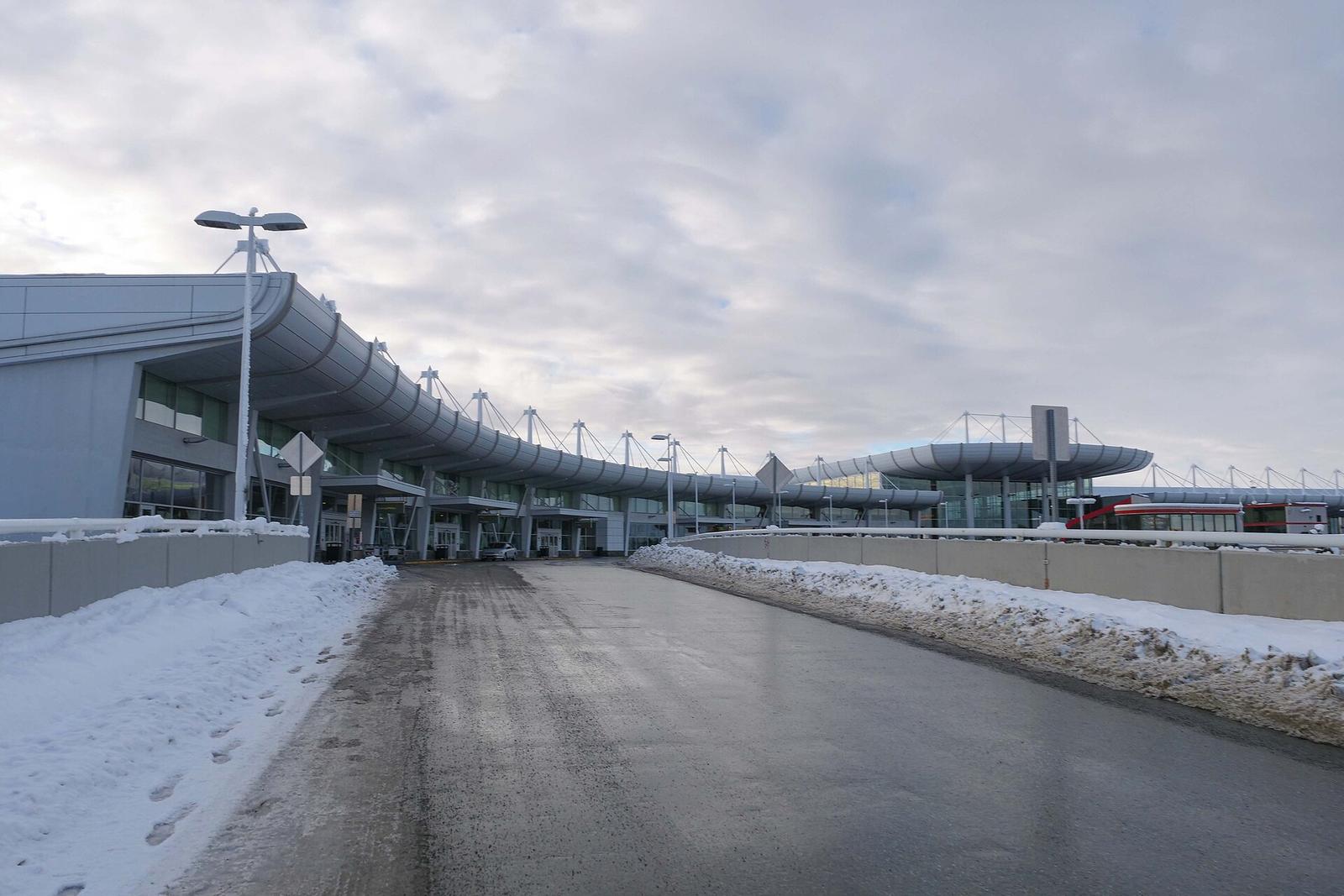
Anchorage is heading into 2026 with a stable economy but faces a persistent labor market squeeze as its working-age population continues to shrink for the 11th consecutive year. Since peaking in 2013, Anchorage has lost approximately 19,000 workers aged 16 to 64, according to state demographic analyses, a factor increasingly reshaping how local businesses recruit and retain talent.
Economic Stability Meets Talent Shortage
Despite solid economic sectors like transportation, tourism, healthcare, and construction supporting Anchorage's growth, the shrinking labor pool creates a significant bottleneck in job market expansion. In 2025, the city recorded record cargo volumes through Ted Stevens Anchorage International Airport and the Port of Alaska, bolstering its economic outlook heading into this year. Employment growth was moderate last year, and the city forecasts adding around 1,200 jobs in 2026-an increase of approximately 0.8%-according to reports from the Anchorage Economic Development Corporation and others.
However, the available workforce is not keeping pace. The decline of nearly 19,000 working-age residents since 2013 means fewer qualified candidates are vying for these new positions. This demographic challenge is felt across industries and has direct implications for sustaining the city’s economic momentum.
Pressure Points in Housing and Business Confidence
Compounding the workforce decline is Anchorage’s high cost of living, especially within the housing market. The average price of a single-family home reached $514,000 in 2024, which is 40% higher than five years earlier. Inflation is projected to be around 2.5% in 2026, adding further strain. These costs weigh heavily on potential workers considering relocating or staying in Anchorage, making it harder for employers to attract and maintain talent in key sectors.
The business community is responding cautiously. Anchorage’s local business confidence dipped into pessimistic territory in 2025, registering a score of 34.2 on regional confidence indexes. Among the top concerns cited were the state budget uncertainty, public safety, rising homelessness, and affordable housing shortages. These factors feed into hesitance by some companies to aggressively expand employment, further entrenching the workforce challenges.
Adapting to a New Employment Landscape
Moving forward, Anchorage employers and policymakers will need to address these intertwined issues to foster economic vitality. Strategies such as incentivizing workforce participation, supporting affordable housing development, and enhancing public safety could go a long way to reversing negative perceptions and workforce decline. Meanwhile, companies may increasingly rely on automation or flexible work arrangements to fill gaps.
The forecasted addition of 1,200 jobs in 2026 represents both opportunity and challenge. Anchorage’s economic pillars-transportation hubs like Ted Stevens Anchorage International Airport and the busy Port of Alaska-will remain critical in attracting investment and supporting jobs. However, lifting barriers to employment will be essential to ensure that the city’s workforce can meet the demands of these and other industries.
In essence, while Anchorage’s economy maintains a baseline of stability, its job and talent market faces reshaping driven by demographic decline and cost pressures. The city’s future growth hinges on how effectively these challenges are tackled in the year ahead.
This article is general information only and is not personal financial or investment advice. Consider your own circumstances and seek licensed professional advice before making financial decisions.