finance
Anchorage Retailers Navigate Shifting Consumer Habits, Economic Shifts
Shifting consumer habits and economic factors are reshaping retail opportunities in Anchorage’s vibrant business landscape.
How we reported this
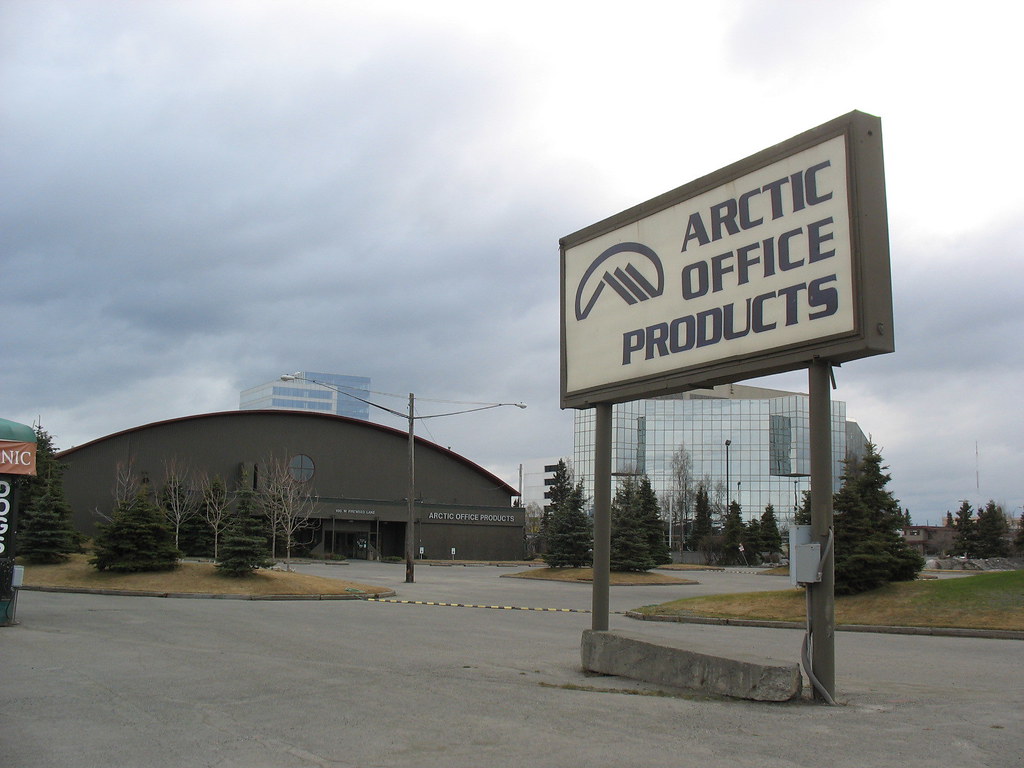
Anchorage’s retail sector is witnessing evolving consumer behavior and economic pressures that are reshaping how businesses operate and compete locally. As retailers adapt to these dynamics, understanding market trends has become essential for survival and growth.
Recent developments in the global and local economic environment have intensified the urgency for Anchorage retailers to reassess their strategies. While soaring inflation and supply chain disruptions have challenged margins, changing consumer preferences toward convenience and digital integration are driving innovation and new openings in the sector. This climate demands that local businesses respond swiftly to maintain a competitive edge amid ongoing uncertainty.
Consumer Shift Toward Experience and Convenience
Anchorage shoppers increasingly prioritize a blend of in-person experience and seamless digital options. This trend reflects a nationwide movement where consumers value both the tactile satisfaction of visiting physical stores and the efficiency of online services. Retailers in Anchorage’s downtown corridors and emerging commercial hubs have responded by investing in technology-enabled payment systems and offering tailored, experience-driven shopping environments.
Local retail organizations and chambers of commerce note a growing emphasis on community-focused events and partnerships that enhance shopper engagement. Pop-up markets and outdoor events near popular Anchorage venues are gaining traction, providing opportunities for small businesses to reach wider audiences.
Adapting to Economic Headwinds
Inflationary pressures continue to squeeze business budgets and household spending in Anchorage. Store owners report increased costs for inventory and operations, leading many to implement strategic pricing, focus on essential goods, or diversify product lines to maintain customer loyalty.
Despite these challenges, businesses that integrate local culture and environmental sensitivity into their offerings tend to resonate more strongly with Anchorage consumers, who emphasize sustainability. Retailers who blend these values with innovative marketing have reported steadier foot traffic and increased repeat customers.
Industry advisors recommend Anchorage companies adopt flexible business models that leverage omni-channel sales strategies and local partnerships. As the retail environment becomes more complex, responsiveness to market signals is critical. Businesses that harness data analytics to understand shopper behavior and forecast demand will better navigate future fluctuations.
Looking ahead, Anchorage retailers should continue monitoring consumer trends, embracing technology, and investing in community relations. While uncertainties persist, opportunities exist for those agile and attuned to the market’s pulse. Anchorage’s retail landscape remains dynamic, challenging businesses to innovate while staying grounded in local needs and values.
This article is general information only and is not personal financial or investment advice. Consider your own circumstances and seek licensed professional advice before making financial decisions.